
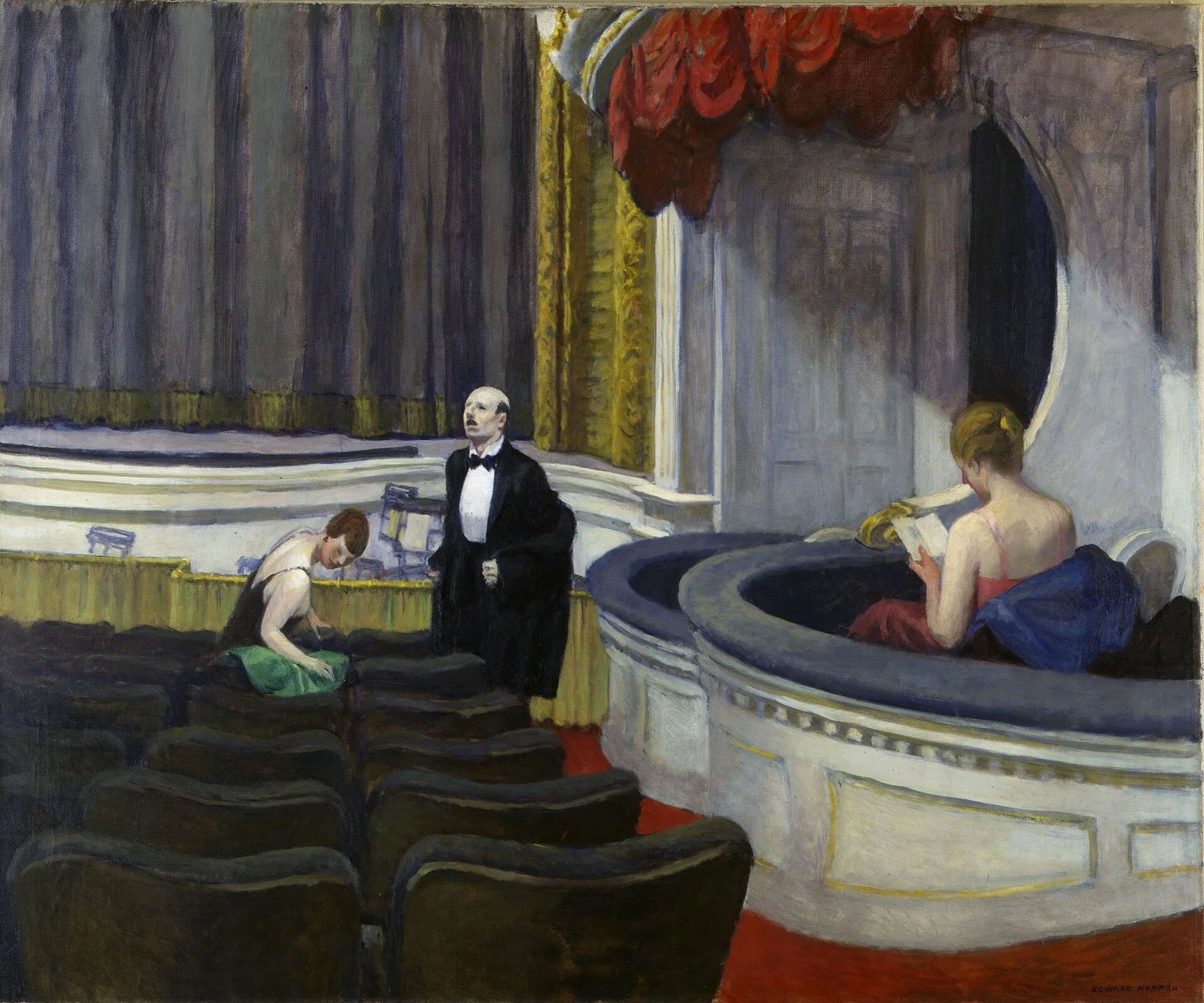
The average museum visitor spends just 25–35 seconds in front of an artwork. What could you discover if you looked for longer?
Every artwork is constructed through strategic visual choices that work together to communicate meaning. Yet without a method of looking, much of that meaning remains hidden. This course will teach you the 13 elements of visual analysis, equipping you to read and interpret artworks from any culture or period with confidence.
Introduction to Visual Analysis
Your Guide to Looking, Seeing, and Understanding
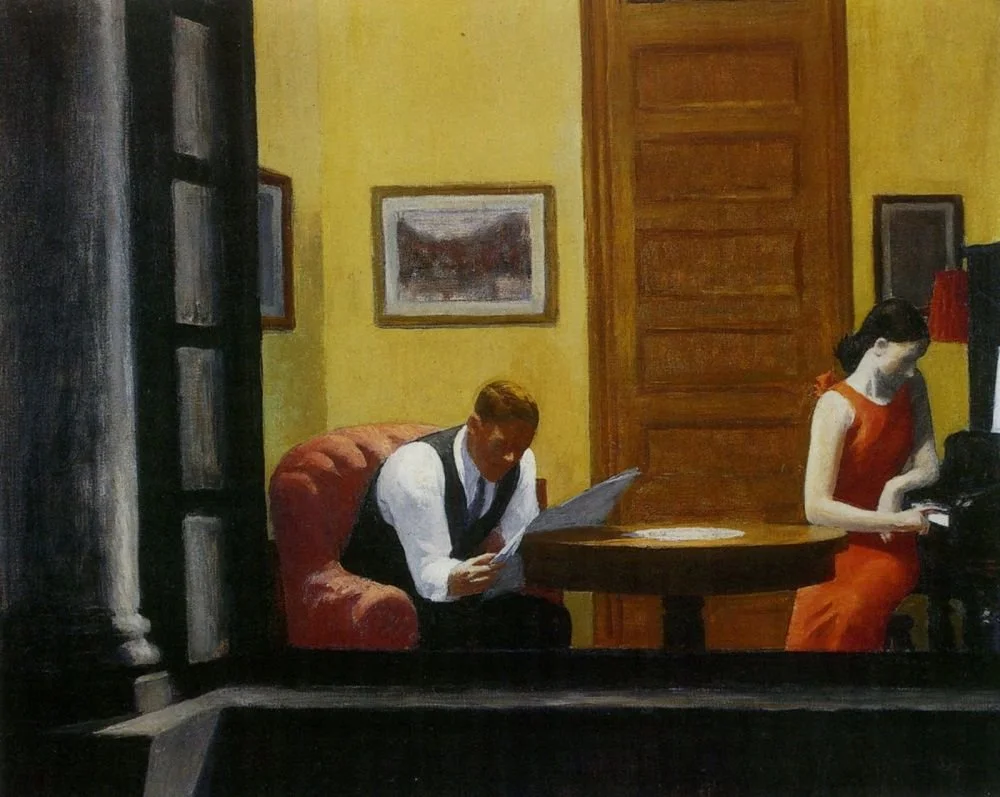
This course provides a complete introduction to the principles of visual analysis.
You’ll explore each of the 13 elements in depth, discover how they shape the meaning of famous artworks, and put your new skills into practice by completing two guided case studies.
What you will study…
The complete framework of visual analysis, including all 13 elements used to interpret works of art.
A step-by-step method for constructing clear, evidence-based interpretations of artworks.
Canonical masterpieces from Western art history, examined through visual analysis.
Two extended case studies—Adoration of the Kings and A Room in New York—to practice your new skills.
By the end, you will…
Master the 13 elements of visual analysis and know how to use them to interpret artworks.
Develop the confidence to look actively, identify visual strategies, and explain how artworks create meaning.
Recognise the techniques that make artworks compelling and understand how artists communicate ideas through visual form.
Never look at art in quite the same way again.
✔ 90 minutes of expert-led video lectures
✔ Lifetime access
✔ Watch anytime, anywhere
✔ No prior knowledge required
✔ Suitable for students, art lovers, and lifelong learners
Frequently Asked Questions
-
No. The course is designed to be accessible to beginners while remaining intellectually rigorous enough for students and more experienced learners.
-
Yes. A central aim of the course is to develop your ability to look closely at artworks and interpret them yourself.
-
The course features 90 minutes of guided video conent. You can move through them at your own pace.
-
Yes. The material reflects university-level approaches to visual analysis and historical interpretation, but is presented clearly and accessibly.
-
Most Impressionism courses survey several artists. This course focuses in depth on Degas, allowing a clearer understanding of his method, themes, and role in the development of modern painting.
-
Yes. The course is entirely self-paced and can be followed in your own time, from anywhere.

A comprehensive introduction to the principles of visual analysis. Explore the thirteen fundamental elements that shape every work of art, from composition and materiality to perspective, figures, and purpose. Through guided examples and in-depth case studies, you'll develop the skills to analyse and interpret artworks from any culture or historical period with confidence.